As reported on November 19, 2026, MARA and Riot Platforms had sold substantial amounts of Bitcoin while investing in AI and data-center infrastructure. The sales show a trade-off for miners: holding the BTC they produce versus using it to fund other parts of their businesses.
What did they sell?
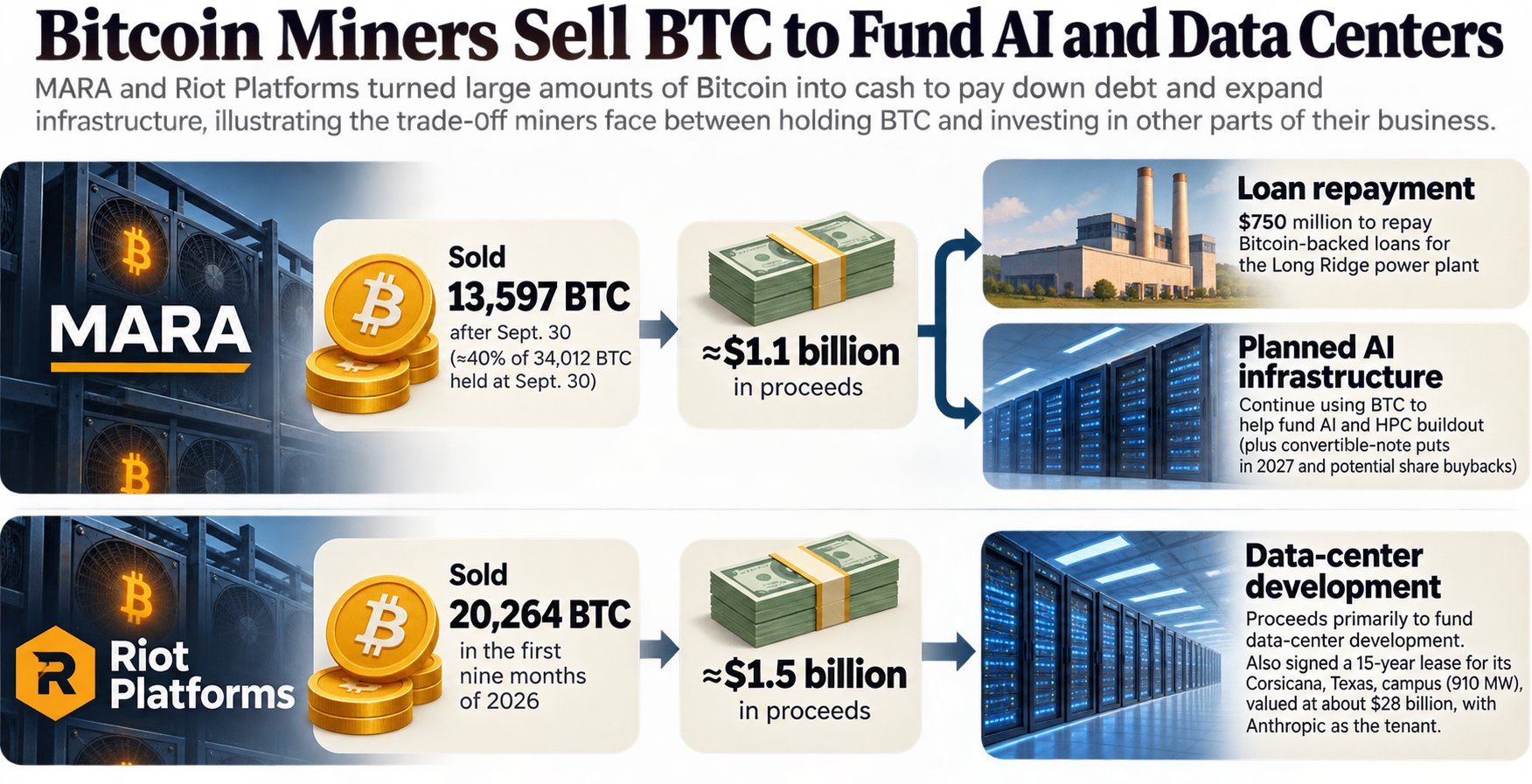
MARA said in its third-quarter shareholder letter filed with the SEC that it sold 13,597 BTC after the end of September at an average price of about $81,039, raising roughly $1.1 billion. That was about 40% of the 34,012 BTC it held at September’s end. Together with 26,984 BTC sold in the first nine months of 2026, its sales exceeded 40,000 BTC for the year—worth roughly $2.5 billion at prices when the original report was published.
MARA used $750 million of the proceeds to repay Bitcoin-backed loans taken out to fund its acquisition of the Long Ridge power plant. It said it intended to keep using Bitcoin to raise cash for AI infrastructure, convertible-note puts becoming exercisable in 2027, and potential share buybacks. Its board authorized up to $500 million in repurchases. MARA called the expansion “not a pivot away from bitcoin,” saying mining remained its operating foundation.
Riot said in its November 4 results that it sold 20,264 BTC in the first nine months of 2026 for about $1.5 billion, primarily to fund data-center development. It held 2,418 BTC at the end of September. Riot also signed a 15-year lease covering all 910 megawatts of capacity at its Corsicana, Texas, campus. The company valued the lease at about $28 billion over its initial term; CEO Jason Les called it “the largest lease in Riot’s history.” Riot’s quarterly filing identified Anthropic as the tenant. The lease value is not cash Riot had already received.
Why sell rather than hold?
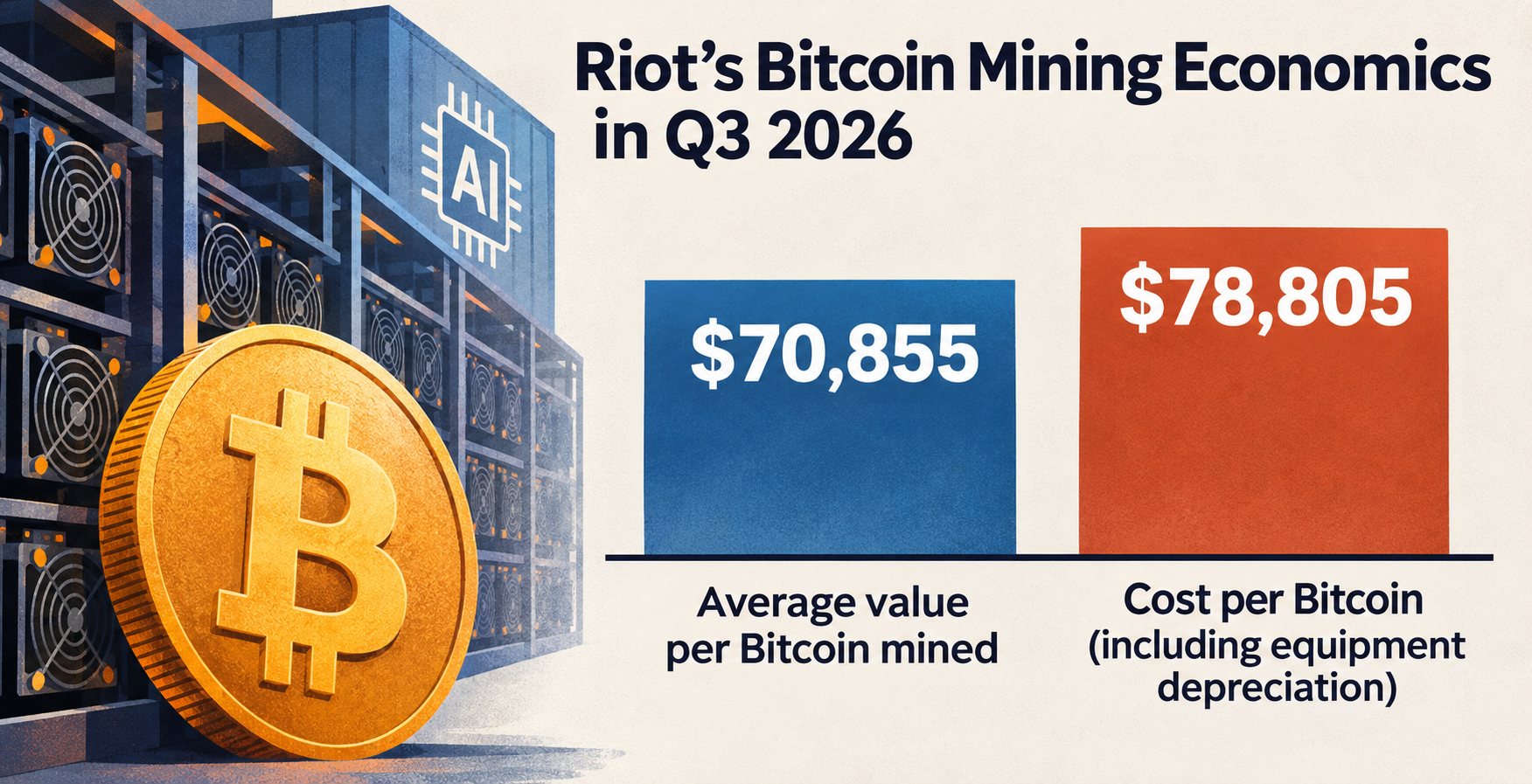
The miners’ reported results provide some context, though they do not establish a single cause for every sale. Riot’s third-quarter Bitcoin-mining revenue fell to $116 million from $160.8 million a year earlier. It reported an average value of $70,855 for each Bitcoin mined, down from $114,361, while its cost per coin, including equipment depreciation, was $78,805. MARA’s revenue fell 35% to $164.2 million.
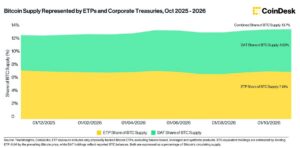
The sales also need to be kept in proportion to the wider market. Onchain analytics firm Glassnode said the two miners drove recent selling by Bitcoin treasury companies, while other treasury firms were net buyers in November as of the report. Strategy, for example, had bought 485 BTC in the preceding week, bringing its holdings to 850,849 BTC, worth around $54 billion at the time.
The durable question is not whether miners must sell or hold Bitcoin. It is how they balance a BTC reserve against debt, operating economics and new infrastructure commitments. These two companies made large sales, but their choices alone do not establish how all miners—or the Bitcoin market—will behave.