As reported on November 17, 2026, Bitcoin had fallen about 13% over the preceding week. It briefly traded below $63,000 on Saturday before hovering near $64,000 on Monday. The question in Glassnode’s week 47 market report was whether the selloff had cleared speculative leverage while leaving other selling pressure intact.
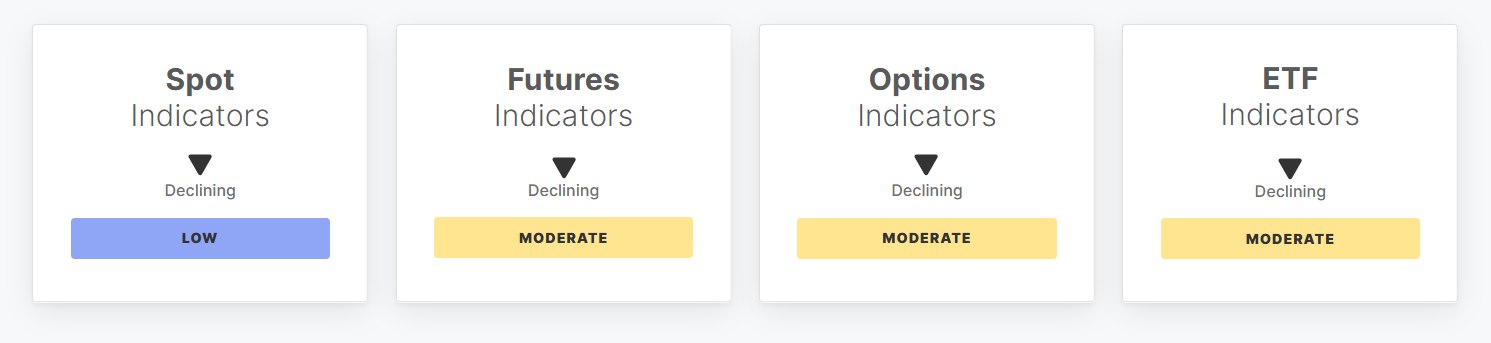
Leverage fell, but ETF outflows continued
Futures open interest fell 7.2% from the prior week to $34.2 billion. Perpetual-futures funding rates also retreated from elevated levels into a neutral range. Those measures suggest that leveraged positioning had eased; they do not establish that selling was over.
U.S. spot Bitcoin ETFs recorded net outflows on every trading day of the reported week, totaling $995.4 million. Glassnode put the ETFs’ aggregate MVRV ratio at 1.06, close to the metric’s 1.0 break-even level. That is an aggregate estimate, not the purchase price or profit position of every ETF investor.
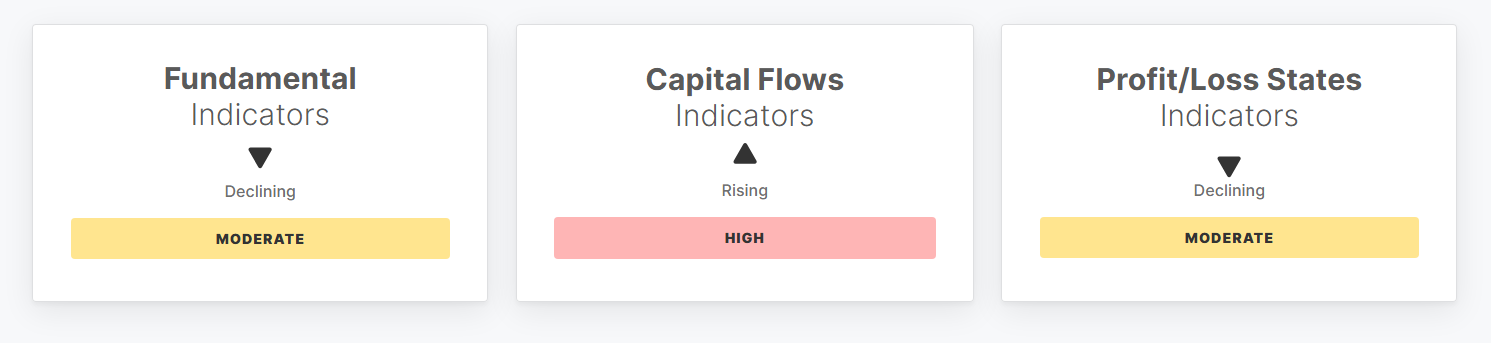
Where losses were concentrated
On-chain measures pointed to pressure among more recent buyers. Glassnode’s short-term-holder net unrealized profit/loss measure fell to −7.4%, while the share of Bitcoin supply in profit declined from 60.4% to 55.3%. Monthly realized-cap growth slowed from 0.43% to 0.04%, a sign that the measured expansion in Bitcoin’s aggregate cost basis had nearly stalled.
The report framed ETF selling, leveraged-long liquidations and broader risk aversion as contributors to the decline. Its figures cannot prove how much each contributed—or establish that $64,000 would hold as a floor. They show a narrower distinction: derivatives leverage had eased, while ETF outflows and losses among recent holders remained visible.